Cognitive & Neurological Symptoms in Post-COVID Recovery
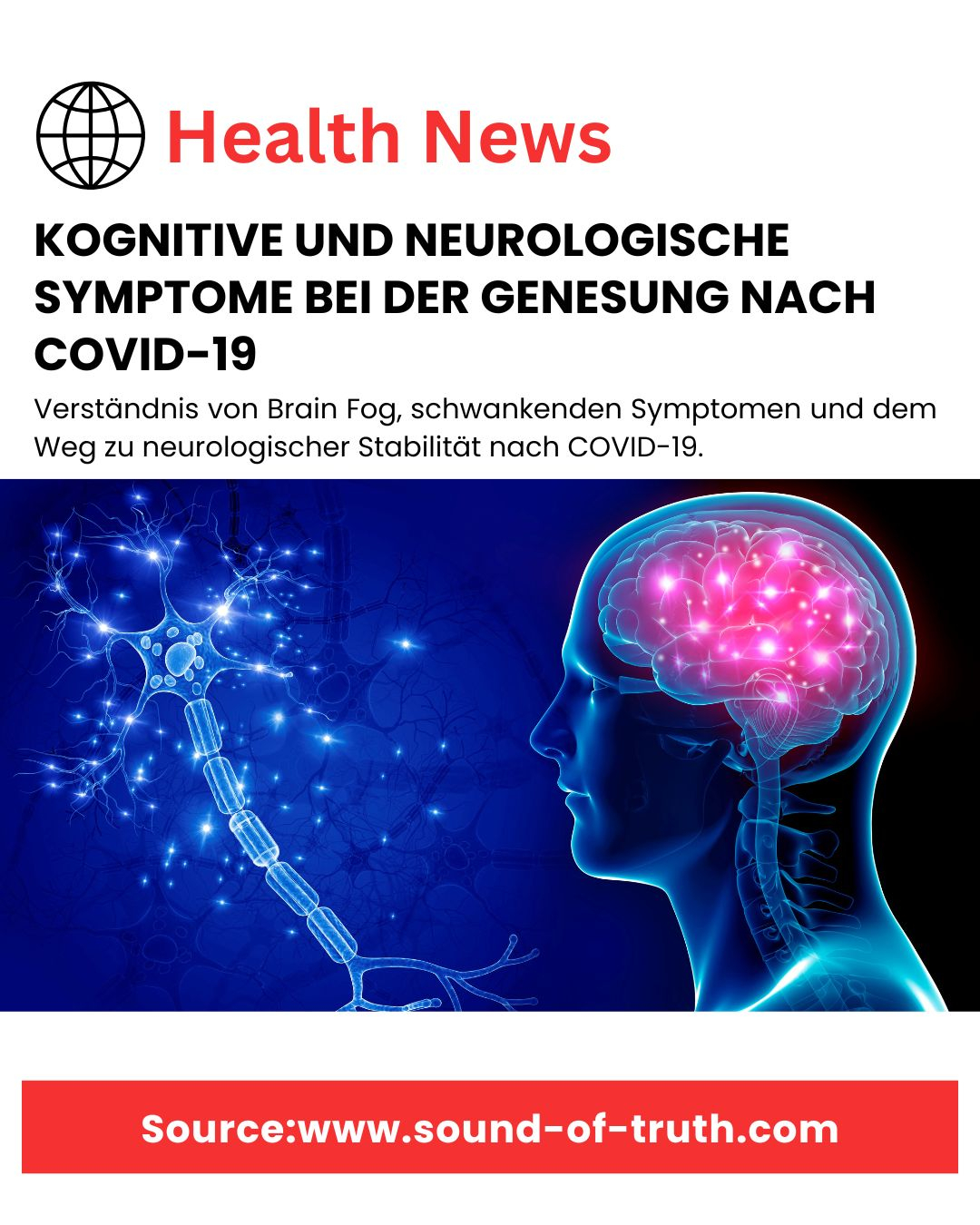
Cognitive and Neurological Symptoms in Post-COVID Recovery
Cognitive and neurological symptoms are among the most persistent and least understood aspects of post-COVID recovery. Many individuals report difficulties with concentration, memory, mental clarity, and sensory processing long after the acute infection has resolved. These symptoms often fluctuate in severity, worsen after exertion, and shift over time, making recovery feel unstable and unpredictable.
Unlike focal neurological injuries, post-COVID cognitive symptoms typically reflect disruptions in regulation rather than permanent damage. Understanding this distinction is essential for interpreting symptoms accurately and supporting recovery.
What cognitive and neurological symptoms are common after COVID?
Commonly reported cognitive and neurological symptoms during post-COVID recovery include impaired concentration, slowed thinking, short-term memory difficulties, word-finding problems, headaches, dizziness, sensory sensitivity, and sleep disturbances. Emotional changes such as heightened anxiety, irritability, or reduced stress tolerance are also frequently reported.
These symptoms may occur independently or alongside physical fatigue, cardiovascular symptoms, or autonomic instability. Importantly, they often persist despite normal neurological imaging and routine laboratory tests.
What is brain fog in post-COVID recovery?
Brain fog is a non-medical term used to describe a cluster of cognitive inefficiencies rather than a single disorder. Individuals may experience difficulty processing information, sustaining attention, recalling recent events, or performing tasks that previously felt effortless.
In post-COVID recovery, brain fog tends to worsen with mental exertion, stress, inadequate sleep, or physical overactivity. This pattern suggests that brain fog reflects reduced cognitive tolerance and impaired regulation rather than irreversible cognitive decline.
Why do cognitive symptoms fluctuate instead of improving steadily?
Cognitive symptoms after COVID rarely improve in a linear fashion because the systems supporting brain function are still adapting. The brain relies on coordinated input from vascular, immune, autonomic, and metabolic systems. When these systems are unstable, cognitive performance may vary from day to day.
Periods of apparent improvement may be followed by symptom recurrence when mental demand exceeds current capacity. This fluctuation is not a sign of deterioration but an indication that regulatory thresholds remain fragile.
Are post-COVID cognitive symptoms caused by brain damage?
In most cases, there is no evidence of ongoing structural brain injury. Neuroimaging studies in post-COVID populations often appear normal or show nonspecific findings that do not explain symptom severity.
Current evidence supports a model of functional disruption involving altered neural signaling, immune-mediated inflammation, impaired blood flow regulation, and reduced cellular energy availability. These mechanisms can produce significant cognitive symptoms without permanent tissue damage, explaining why recovery remains possible.
Why are cognitive symptoms frequently misunderstood?
Cognitive symptoms are often misunderstood because they fluctuate, lack clear biomarkers, and worsen after activity rather than during it. As a result, they may be misattributed to anxiety, deconditioning, or psychosomatic causes.
However, variability itself is a defining feature of regulatory dysfunction. Symptoms that change or recur reflect instability in the systems responsible for maintaining cognitive performance under demand.
Rethinking cognitive recovery after COVID
Cognitive and neurological symptoms in post-COVID recovery represent adaptive challenges rather than irreversible damage. Recovery involves restoring coordination between systems, rebuilding tolerance thresholds, and recognizing early signs of overload.
Viewing cognitive symptoms as part of an active, adaptive recovery process allows for more realistic expectations, better clinical support, and reduced self-blame. In this context, healing is not a return to a previous baseline but the gradual re-establishment of stability over time.
https://www.sound-of-truth.com/de/shop/buecher/dirk-seeling/long-covid-modrna-impfnebenwirkungen/1/