Long COVID Symptoms 2026: Which Problems Are Still Common
 By: Sound of Truth Publishing Team
Introduction
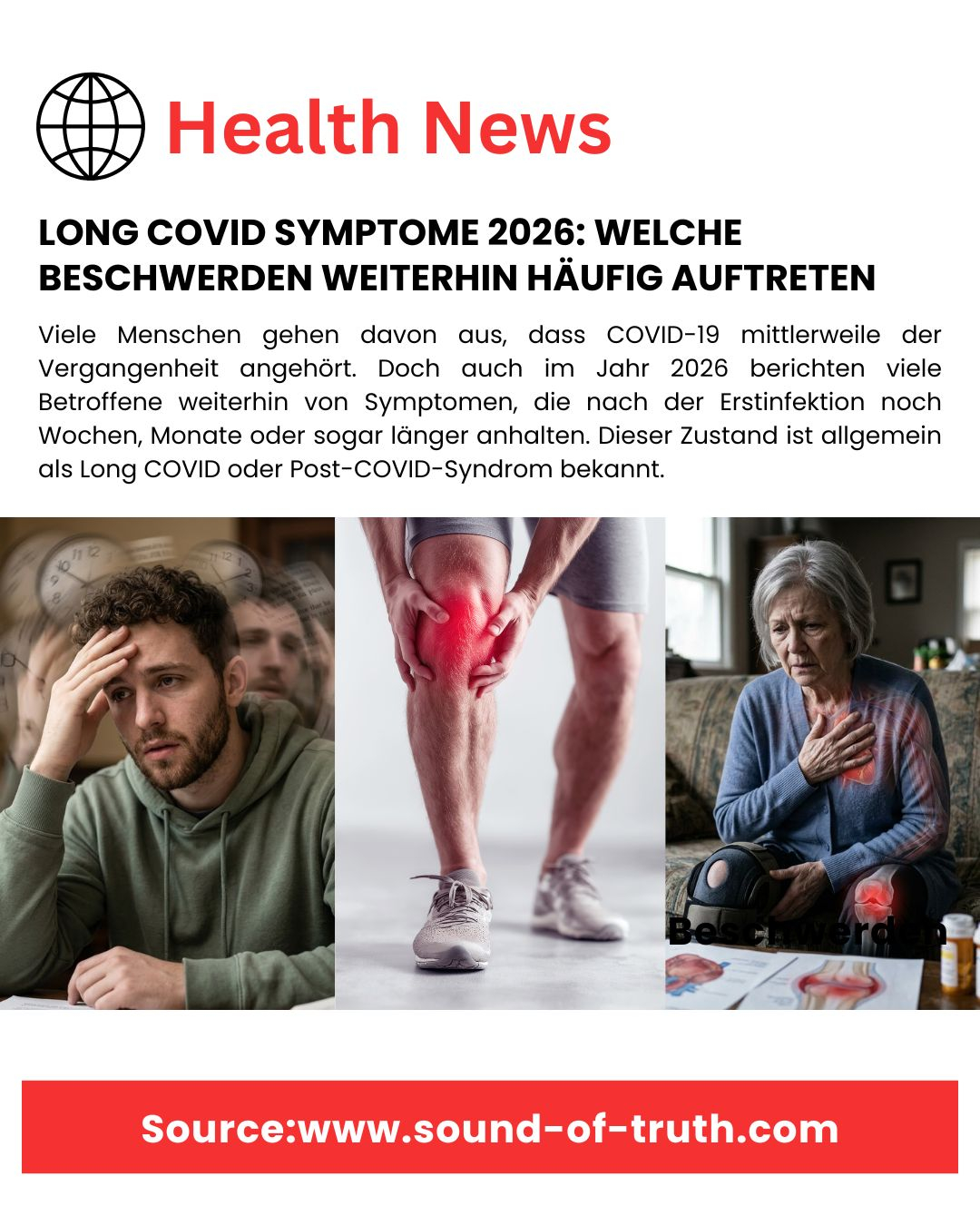
Many people assume COVID-19 is now only a past event. However, even in 2026, many individuals continue to report symptoms that last for weeks, months, or longer after the initial infection. This condition is commonly known as Long COVID or Post-COVID Syndrome.
Long COVID can affect people after mild, moderate, or severe infections. Even those who seemed to recover fully may later experience ongoing or recurring symptoms. For this reason, Long COVID remains an important medical and public health topic.
In this article, we explain which Long COVID symptoms in 2026 are still commonly reported, why they may continue, and what information can help people better understand the condition.
What is Long COVID?
Long COVID refers to symptoms that continue after a COVID-19 infection or appear later during recovery. It is often used when symptoms last more than four weeks. When symptoms continue for several months, the term Post-COVID Syndrome is also commonly used.
These symptoms may affect different body systems, including the nervous system, cardiovascular system, lungs, immune system, and metabolism. That is why many people experience Long COVID in different ways.
The most common Long COVID symptoms in 2026
-
Persistent Fatigue
Fatigue remains one of the most common Long COVID symptoms. This is more than ordinary tiredness. It often feels like deep physical and mental exhaustion that does not improve fully with rest.
Many people affected report:
- Low energy throughout the day
- Rapid exhaustion after small tasks
- Reduced physical stamina
- Long recovery after activity
-
Brain Fog and cognitive difficulties
Another common symptom is what is known as ‘brain fog’. This refers to cognitive impairments that can affect thinking, concentration and memory.
This may include:
- Memory problems
- Slower thinking
- Trouble focusing
- Mental fatigue
- Difficulty completing complex tasks
These issues can affect work, study, and daily life.
-
Breathing problems
Some individuals continue to experience:
- Shortness of breath
- Chest tightness
- Reduced exercise tolerance
- Feeling breathless during normal activity
These symptoms may occur even when routine tests appear normal.
-
Heart and circulation Symptoms
Long COVID may also involve cardiovascular symptoms such as:
- Rapid heartbeat
- Palpitations
- Dizziness
- Weakness when standing
- Exercise Intolerance
Some patients report symptoms, particularly when standing up or after physical exertion, which may even worsen.
-
Muscle and joint pain
Diffuse pain, muscle tension or joint discomfort are also frequently reported. These symptoms may occur intermittently or be persistent.
-
Sleep problems
Many people affected complain of:
- Difficulty falling asleep
- Frequent waking
- Non-restorative sleep
- Disrupted sleep patterns
Lack of sleep can also exacerbate other symptoms.
Why can symptoms last for so long?
The exact causes of Long COVID are still being investigated. Among the factors under discussion are:
- Persistant inflammatory processes
- Dysregulation of the immune system
- Impaired vascular function
- Changes in the nervous system
- Post-viral stress responses
- Metabolic and mitochondrial changes
It is likely that there is not just one cause, but various mechanisms, which may manifest differently depending on the individual.
Can even mild infections trigger Long COVID?
Yes. Long COVID has also been reported following mild or initially uncomplicated infections. This means that it is not only severe cases of the illness that can lead to long-term symptoms.
Repeated infections are also being discussed as a possible risk factor.
When should you seek medical help?
If symptoms persist for a long time after a COVID-19 infection or significantly interfere with your daily life, you should seek medical advice. This is particularly important in the case of:
- Shortness of breath
- Heart problems
- Severe fatigue
- Neurological problems
- Worsening symptoms
An individual medical assessment is advisable in order to rule out other causes and identify appropriate support measures.
Knowledge helps: Understanding Long COVID Better
Many people affected feel unsettled by conflicting information online. A structured understanding of the symptoms and how they are linked can therefore be very helpful.
You can also find recommended books in our overview of the best Long COVID books of 2026.
Our anthology on Long/Post-COVID and mRNA vaccine side effects, available from the Sound of Truth Shop, also offers in-depth insights.
Conclusion
Long COVID will remain a significant health issue in 2026. Those affected particularly often report fatigue, brain fog, breathing difficulties, cardiovascular symptoms and sleep disorders. Symptoms can vary greatly from person to person and often require patience as well as targeted medical support.
The better those affected understand the possible links, the easier it is to make informed decisions and find their own way of managing Long COVID.
Frequently asked questions (FAQ)
What are the most common symptoms of Long COVID?
Fatigue, brain fog, breathing difficulties, sleep disturbances and cardiovascular symptoms are among the most common symptoms.
Can Long COVID occur even after a mild case?
Yes, long-term symptoms can occur even after mild infections.
Will Long COVID still be relevant in 2026?
Yes, many people continue to report persistent symptoms following COVID-19.
How long does Long COVID last?
This varies from person to person. Symptoms can last for weeks, months or longer.