Sound of Thruth Blog
19.02.2026
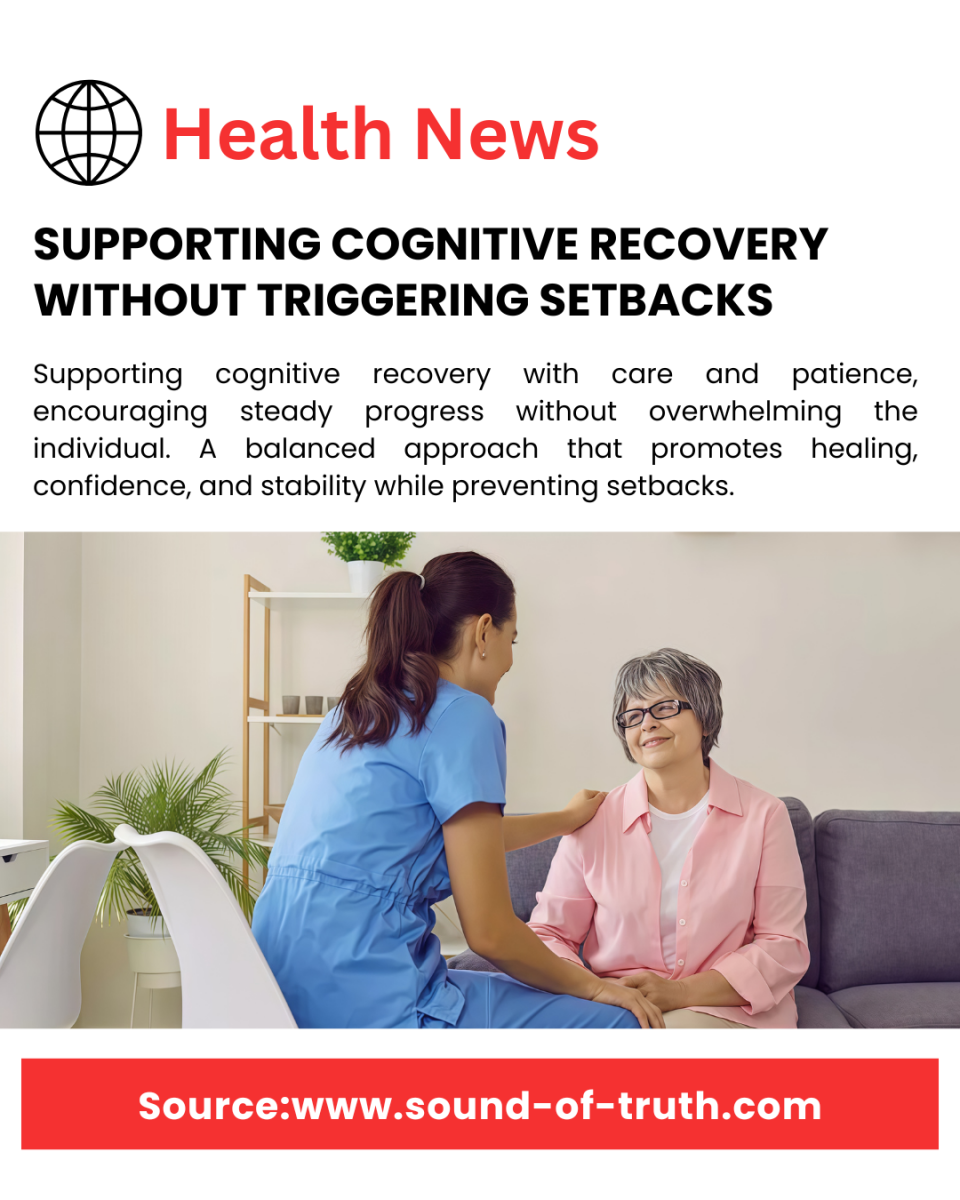
Recovering from post-exertional cognitive worsening requires a shift in mindset. Many people instinctively try to “push through” brain fog or mental fatigue, believing that endurance will rebuild capacity. In post-COVID conditions, however, recovery is not driven by forcing performance. It is supported by protecting cognitive stability, reducing physiological stress, and allowing regulatory systems time to recalibrate. The goal of cognitive recovery is not to eliminate symptoms quickly, but to reduce the frequency and severity of setbacks while gradually increasing tolerance in a sustainable way. ... read more
09.02.2026
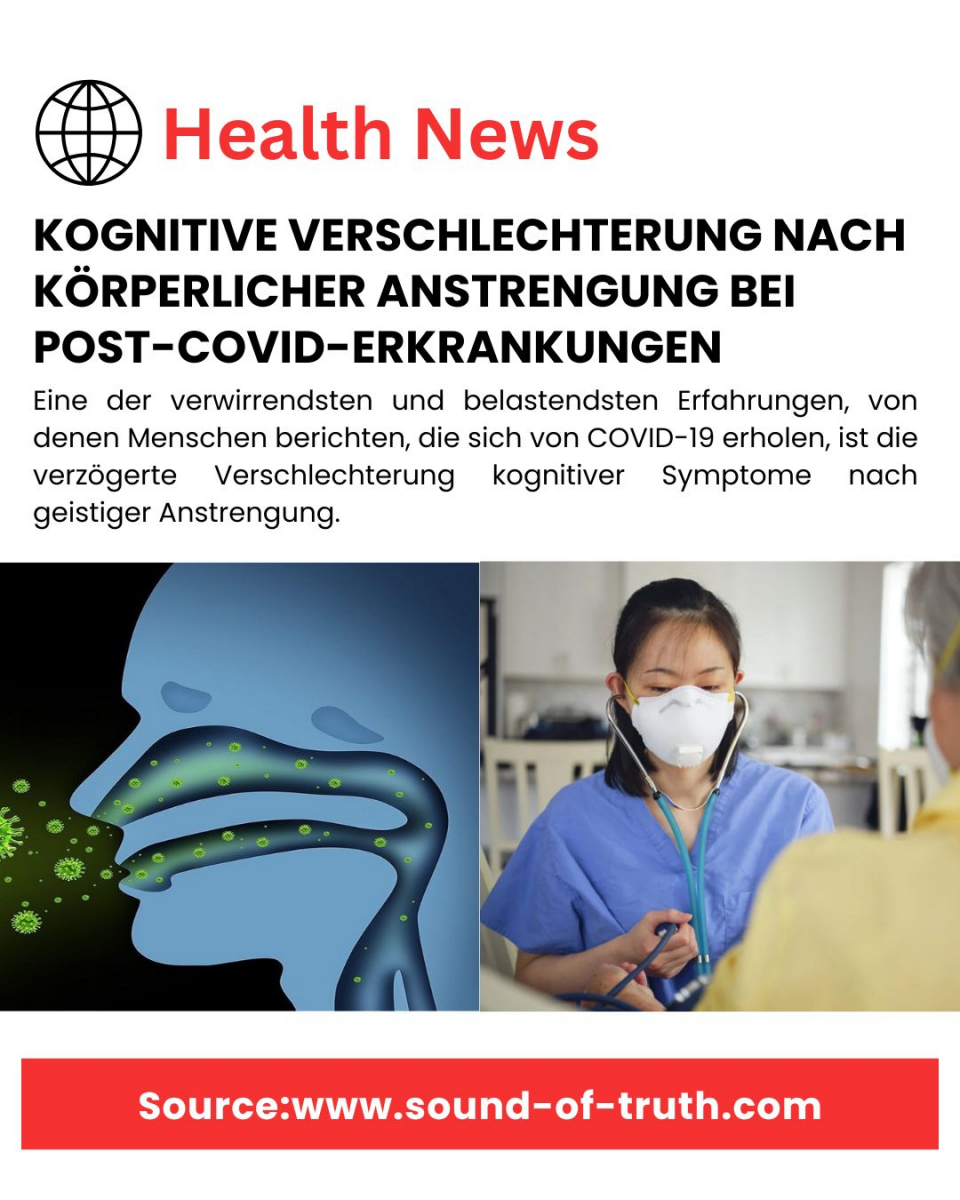
One of the most confusing and distressing experiences reported by people recovering from COVID-19 is the delayed worsening of cognitive symptoms after mental effort. Tasks such as reading, concentrating, problem-solving, or extended screen use may initially seem manageable, only for symptoms like brain fog, slowed thinking, headaches, or mental exhaustion to intensify hours or even days later. This phenomenon is known as post-exertional cognitive worsening and is increasingly recognized as a key feature of post-COVID conditions. Unlike ordinary mental fatigue, post-exertional cognitive worsening does not resolve quickly with short rest. Instead, it reflects a deeper disruption in how the body regulates energy, immune signaling, and neurological function after exertion. ... read more
02.02.2026
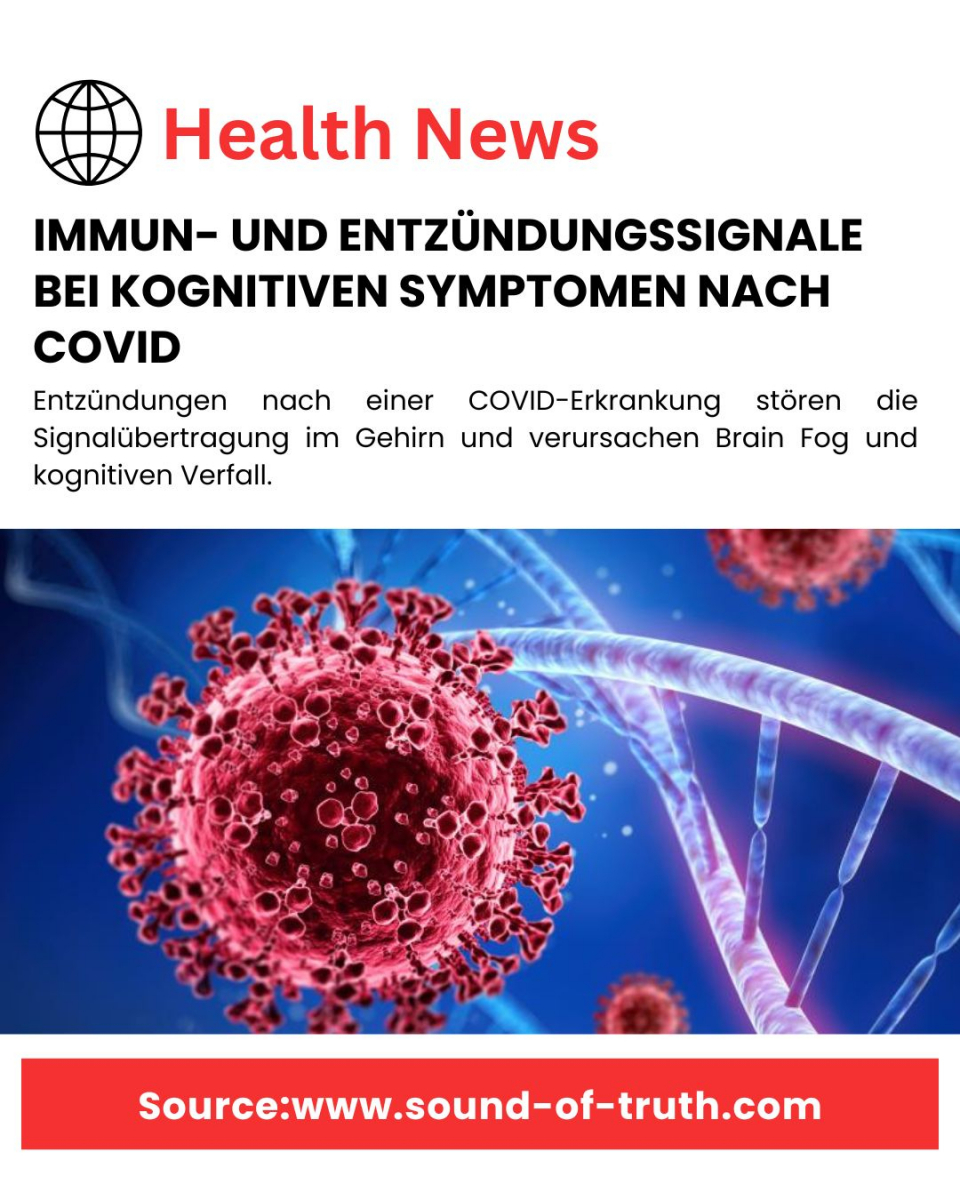
Cognitive symptoms such as brain fog, impaired concentration, slowed thinking, and memory difficulties are among the most commonly reported challenges during post-COVID recovery. While these symptoms can feel alarming and disruptive, emerging research suggests that they often arise not from permanent brain damage, but from ongoing immune and inflammatory signaling that interferes with normal cognitive regulation. Understanding how immune responses influence brain function is essential for making sense of why cognitive symptoms persist, fluctuate, and worsen after exertion in post-COVID conditions. Rather than reflecting structural injury, these symptoms are increasingly understood as the result of functional disruptions driven by immune-mediated processes. ... read more
27.01.2026
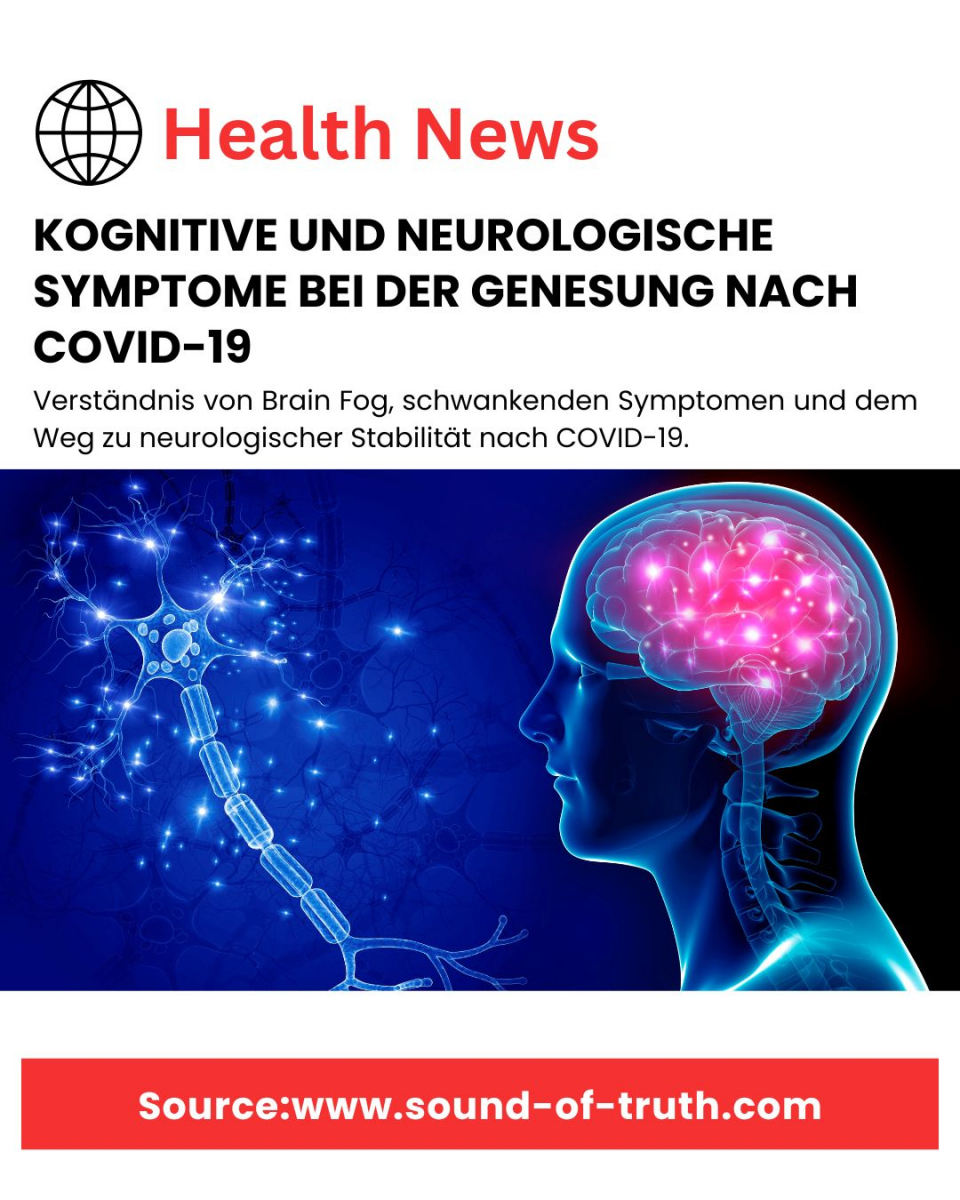
Cognitive and neurological symptoms are among the most persistent and least understood aspects of post-COVID recovery. Many individuals report difficulties with concentration, memory, mental clarity, and sensory processing long after the acute infection has resolved. These symptoms often fluctuate in severity, worsen after exertion, and shift over time, making recovery feel unstable and unpredictable. Unlike focal neurological injuries, post-COVID cognitive symptoms typically reflect disruptions in regulation rather than permanent damage. Understanding this distinction is essential for interpreting symptoms accurately and supporting recovery. ... read more
17.01.2026
Why recovery feels unstable rather than linear For many individuals recovering from COVID-19, symptoms do not follow a predictable or steadily improving course. Instead of gradually resolving, they may diminish temporarily, reappear unexpectedly, or shift in character altogether. Fatigue may be replaced by neurological symptoms; respiratory discomfort may give way to cardiovascular or gastrointestinal issues. This instability often causes confusion and distress, particularly when periods of apparent improvement raise expectations of recovery, only for symptoms to return. Importantly, this pattern is not typically a sign of reinfection or new disease. Rather, it reflects an underlying difficulty in the body’s ability to re-establish and maintain physiological balance. Instead of smoothly returning to a stable baseline, the body appears to move between partial compensation and renewed stress, resulting in fluctuating symptoms that vary in intensity, duration, and system involvement. ... read more
12.01.2026